See and find your bearings.
A ball, an opponent, the next marker: visual information helps you adapt your movement to the situation.
For example: tracking the ball while your head and body move.
Performance limitations can also have a neurofunctional component. That is why I look at how perception and movement control work together in your sporting task.
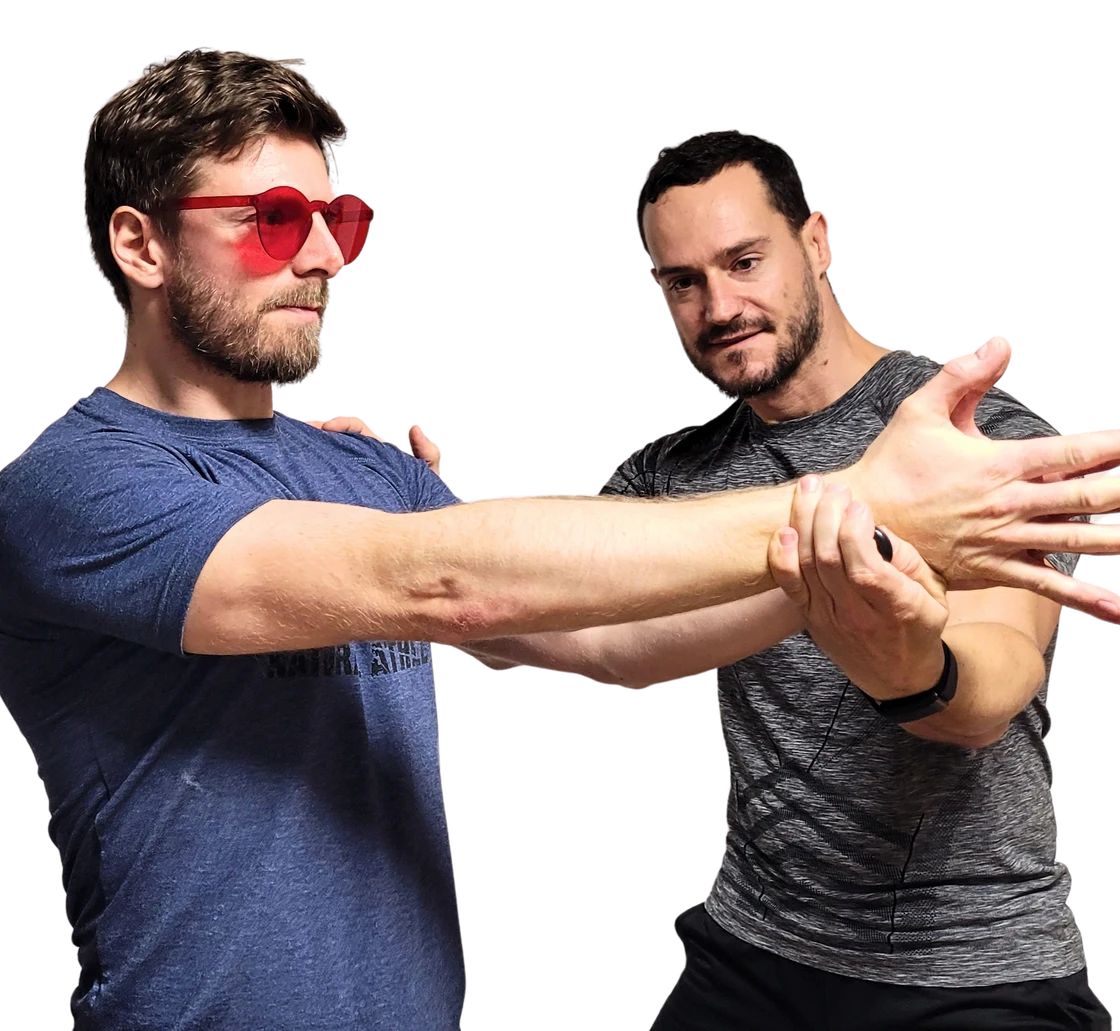
A ball, an opponent, the next marker: visual information helps you adapt your movement to the situation.
For example: tracking the ball while your head and body move.
Your balance system provides information about head movement and your position in space. This is integrated with other sensory information.
For example: finding your bearings again after a turn.
Feedback from muscles, joints and skin contributes to your perception of body position and movement.
For example: controlling your position at take-off or under load.
I select the work according to your starting point and your response. Your sport is part of that process from the beginning.
See the process and frameworkWe discuss your history, your training routine and the situation in which you want to progress. What exactly would you like to change?
A general brain-based screening is complemented by a targeted assessment of your concern. Together, we identify the functions and tasks we will start with.
I select neurofunctional approaches and training elements. Depending on your starting point, these may include visual tasks, breathing work or isometric training. We then look at your response.
On that basis, we agree on the next tasks. Training becomes increasingly aligned with the demands that matter for your sport and your goal.
A retest first shows your response in that particular situation. We assess longer-term development and transfer to training or competition separately.
Neuroathletics work can be combined with your existing strength, technique and sport-specific training. Suitable apps can support individual tasks; your personal coaching provides the framework.